Category: Uncategorized
-
Peer Book Club – Fall 2025

I’m excited to share that the PeerWorks Peer Book Club is back for the Fall — with our first meeting taking place on October 7! The Peer Book Club will meet every two weeks over Zoom, on Tuesdays from 6:00-7:30pm (Eastern Time). Instead of reading a full book, this round of the book club will…
-
Peer Book Club

I’m excited to share the next book we will be reading for the Peer Book Club I co-facilitate with PeerWorks — Care Work: Dreaming Disability Justice (2018) by Leah Lakshmi Piepzna-Samarasinha! The Peer Book Club will meet every two weeks over Zoom, on Mondays from 6:00-7:30pm (Eastern Time). Our first meeting will be on March…
-
Claiming “Peer”: What’s in a Word?
On Tuesday February 4, I will be presenting at the annual Peer Support Strong conference, hosted by PeerWorks and the Lived Experience & Recovery Network (LERN). This conference is fully virtual and free to attend. Watch the Recording My presentation will explore the various ways “peerness” has been conceptualized in peer support literature and practice,…
-
Peer Futures Reading List

In celebration of the new year, I thought I would share a list of 10 books I am looking forward to reading (or re-reading) in 2025, related to peerness / community care, futurity, and peer futures. Care Work:Dreaming Disability Justice Leah Lakshmi Piepzna-Samarasinha2018 Inara:Light of Utopia Mx. Yaffa AS (Editor)2024 Living Disability:Building Accessible Futures for…
-
Purple Basil Lemonade: Community Rituals for Crip Pasts / Presents / Futures
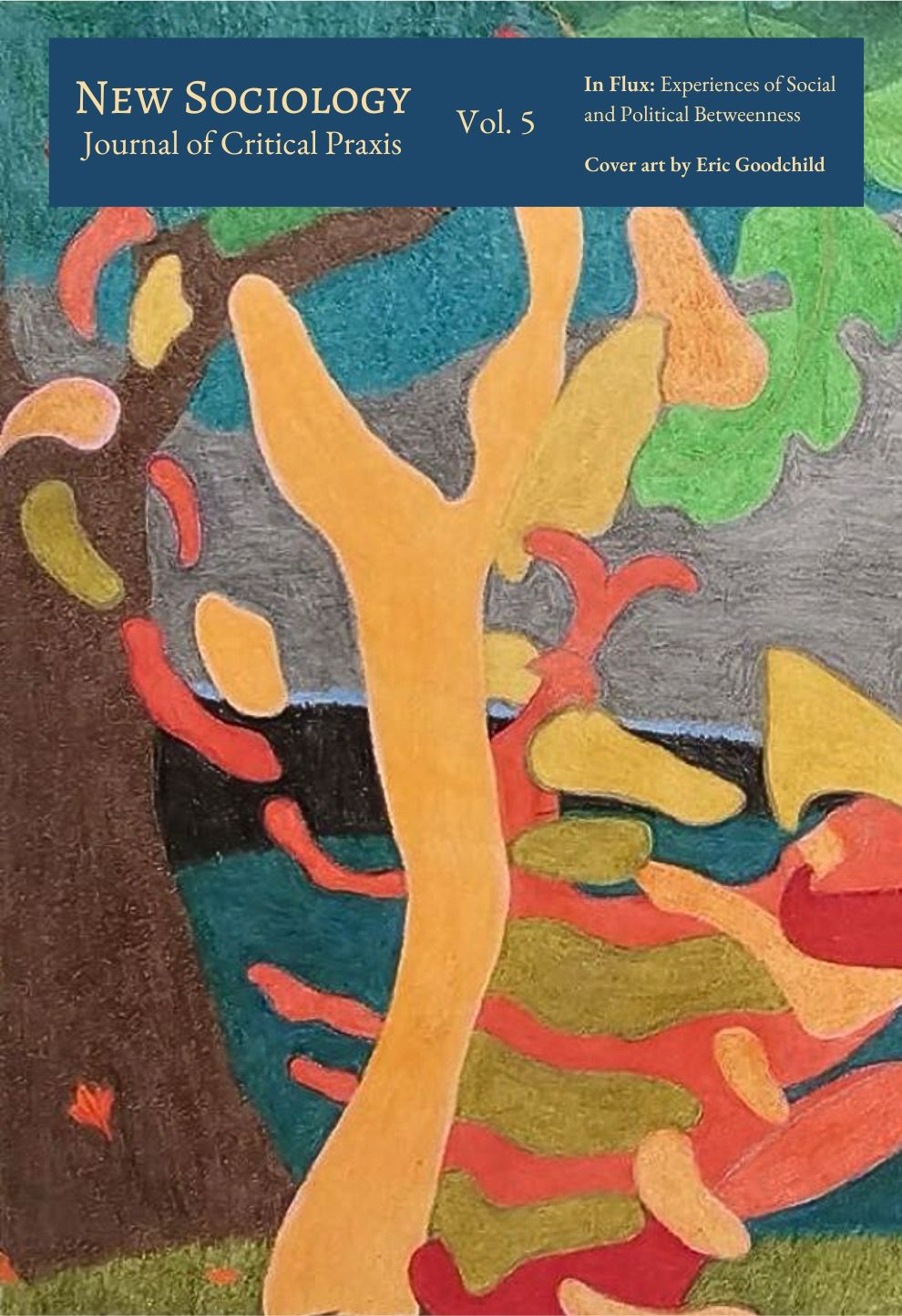
My essay, “Purple Basil Lemonade: Community Rituals for Crip Pasts / Presents / Futures” has been published in the open-access (free to read) journal New Sociology. Read on the New Sociology website Abstract: This piece is a collection of stories and reflections on community, loss, memory, access, rest, and dream(ing), developed through the process of…
-
institutional ethnography and/as policy analysis

[critically] (thinking about) policy is critical. how to analyze, explicate? institutional ethnography offers one way… toward a social onto/epistemological “paradigm shift” that “keeps […] people* in view” *(and their everyday lives); that “take[s] sides” to understand “how” …?
 calvin prowse